
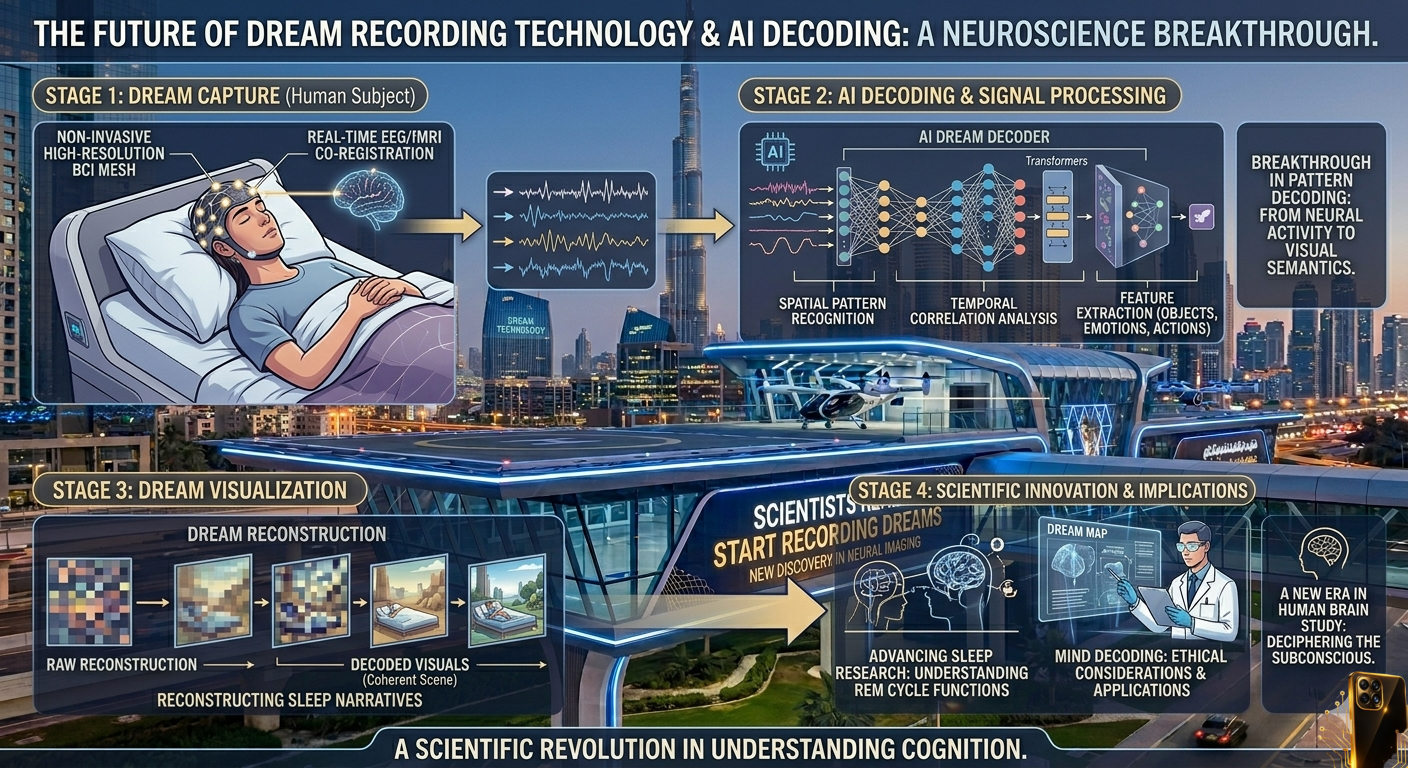
In a groundbreaking development in the field of neuroscience, researchers are beginning to explore the tantalizing concept of recording and replaying dreams. While the idea may sound like science fiction, recent advancements in brain imaging and neurotechnology are making it increasingly feasible.
Understanding the Brain’s Dreaming Process
Dreams occur during the Rapid Eye Movement (REM) stage of sleep, a period where the brain is highly active. Neuroscientists and psychologists have long been fascinated by the content of dreams and what they reveal about our subconscious mind. However, until now, accurately capturing and reproducing these dreams has been a significant challenge.
New Technologies and Methods
Recent research has focused on using advanced brain imaging techniques, such as functional magnetic resonance imaging (fMRI) and electroencephalogram (EEG) technology. These tools allow scientists to monitor brain activity patterns associated with different dream states. By analyzing brain wave patterns, researchers have begun to identify the visual and emotional components of dreams.
In a notable study, scientists managed to decode specific images that individuals were viewing, based on brain activity. This foundational work suggests that, in the near future, technology may evolve to a point where it is possible to recreate the visual experiences from our dreams.
Ethical Considerations
As with any groundbreaking technology, the ability to record dreams raises ethical questions. Issues surrounding privacy, consent, and the potential for misuse are at the forefront of discussions. Researchers emphasize the importance of establishing ethical guidelines to prevent infringement on personal thoughts and experiences.
Looking Ahead
While the idea of a machine that captures and replays dreams remains in the realm of research, the implications are immense. The potential applications could range from enhancing therapeutic interventions for mental health issues to creating novel forms of storytelling and entertainment.
As research progresses, we may eventually see the dawn of a new era where our dreams can be shared, explored, and understood in ways previously thought impossible. The journey to unlocking the mysteries of dreams is just beginning, and each small step forward could lead to revolutionary changes in how we perceive our own subconscious.
Conclusion
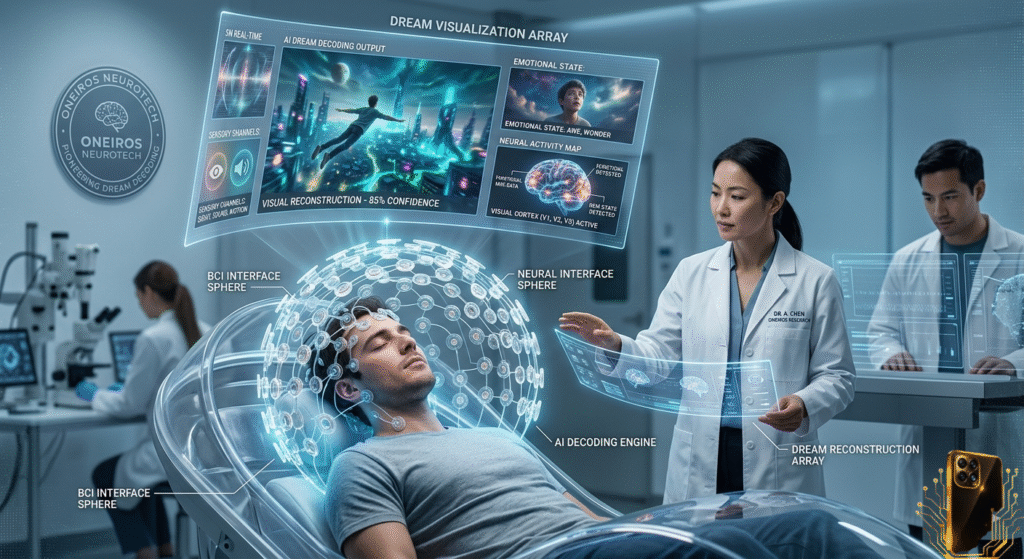
The notion of a machine that captures and plays our dreams may seem far-fetched, but with the rapid advancements in neuroscience, we are venturing closer to understanding this enigmatic aspect of human consciousness. As scientists continue to explore the complexities of the dreaming mind, the prospect of reliving our dreams may soon transition from fantasy to reality.
About the Author