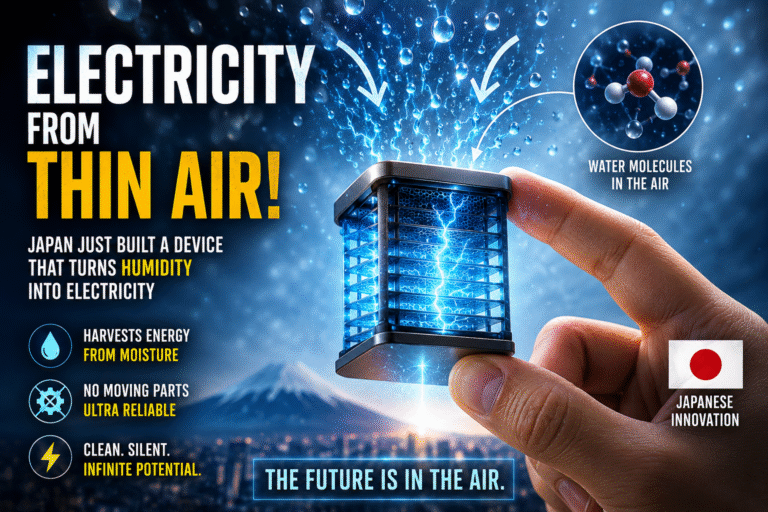
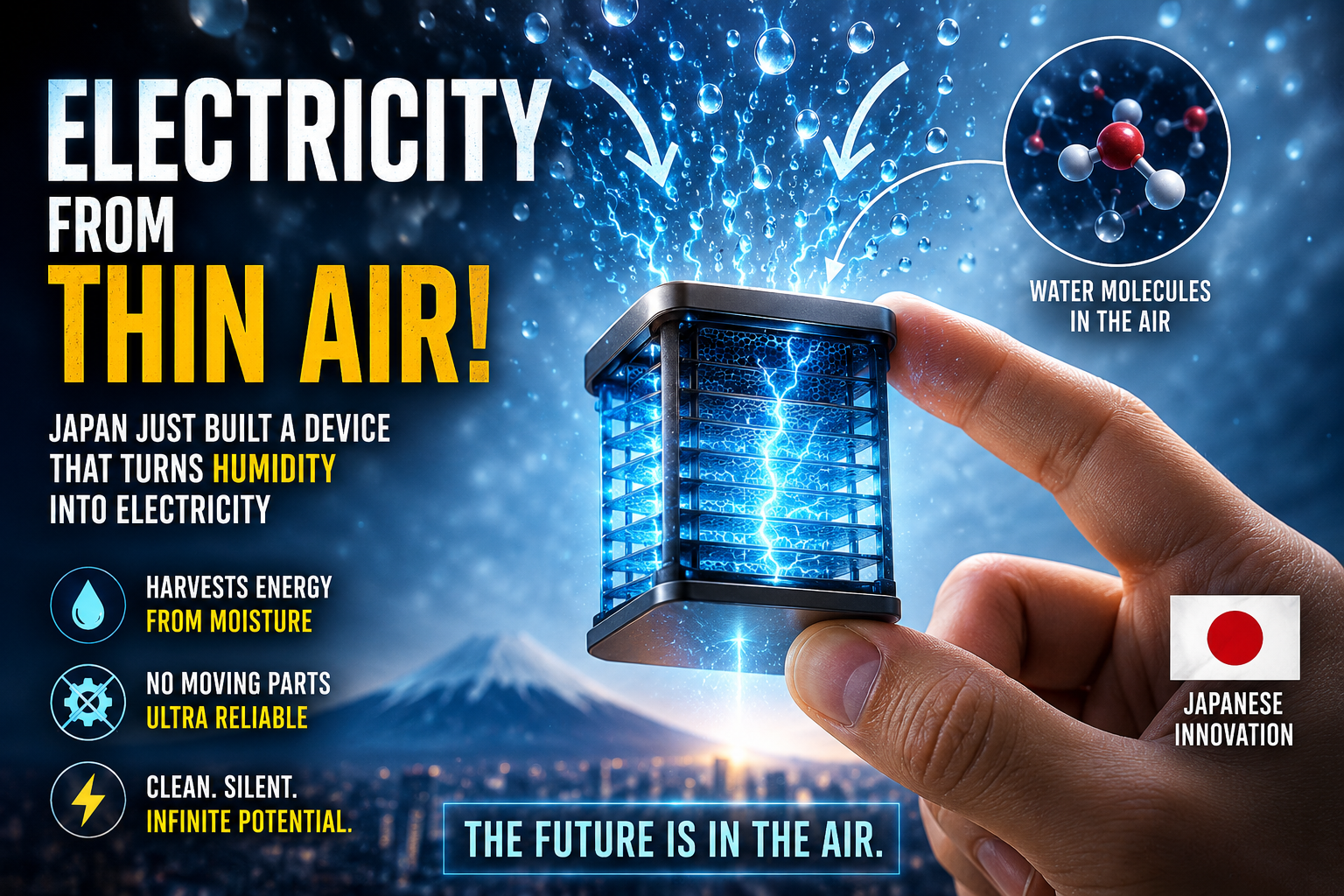
In recent years, the pursuit of renewable energy sources has led to innovative methods of electricity generation. One fascinating approach is harnessing moisture from the air to produce tiny amounts of electricity. This article explores the technology behind this concept, its applications, and its potential for sustainable energy generation.
Understanding Atmospheric Moisture
Atmospheric moisture refers to the water vapor present in the air. This vapor varies based on environmental conditions such as temperature, humidity, and geographical location. While moisture is abundant in many regions, converting it into usable energy requires advanced technology.
The Technology Behind Moisture-Driven Electricity
1. Hygroelectric Materials
Hygroelectric materials are at the forefront of this technology. These materials generate an electric charge when they absorb moisture from the air. Researchers have been exploring various natural and synthetic materials, such as polymers and nanomaterials, that can efficiently convert moisture into electricity.
2. Nanogenerator Systems
Nanogenerators are small devices that can be powered by mechanical movement, thermal changes, or humidity. In the context of moisture, these devices can harvest energy through the changes in the material’s dimensions as it absorbs and releases water vapor. This process generates electricity through piezoelectric effects or through changes in electrostatic potential.
3. Moisture Harvesting Technologies
Developments in moisture harvesting technologies include the use of specialized coatings or structures designed to increase the absorption of humidity. Some prototypes have been developed that can generate a small amount of electricity even in low-humidity conditions, making them versatile for various environments.
Applications
While the energy generated from atmospheric moisture is generally small, it can be beneficial in several applications:
- Remote Sensors: Devices that operate in off-grid locations can be powered by moisture-generated electricity, reducing the need for batteries and simplifying maintenance.
- Wearable Technology: Small wearable devices that monitor health and fitness can utilize this technology to power themselves, extending their operational life without frequent recharging.
- Environmental Monitoring: Instruments used for environmental monitoring can harness moisture to remain operational in regions where conventional power sources are unavailable.
Potential and Challenges
The potential for capturing energy from atmospheric moisture is significant, especially as the technology matures. However, there are challenges that researchers need to address:
- Efficiency: The amount of electricity generated by current moisture-harvesting technologies is minimal. Increasing the efficiency of these systems is crucial for broader adoption.
- Durability: Long-term stability and durability of materials used in these systems need to be evaluated to ensure sustainable operation.
- Scalability: Developing scalable solutions that can be widely deployed remains a critical challenge for this emerging technology.
Conclusion
Generating electricity from atmospheric moisture presents an exciting opportunity to harness a renewable energy source with minimal environmental impact. With ongoing research and advancements in materials science, this innovative approach could contribute to a more sustainable energy future, providing power in areas where traditional energy sources are limited or unavailable. As technology continues to evolve, the dream of powering devices with the very air we breathe may soon become a reality.
About the Author